
The AU recognises nuclear energy as an important factor in the continent’s industrialisation and socio-economic development. Over 16 African countries are progressing with nuclear programmes at varying stages. As a high-risk technology, nuclear energy requires robust safety and security regulations to ensure its safe and effective operation. Rising geopolitical instability is undermining nuclear safety frameworks, requiring immediate and coordinated action to safeguard the African continent.
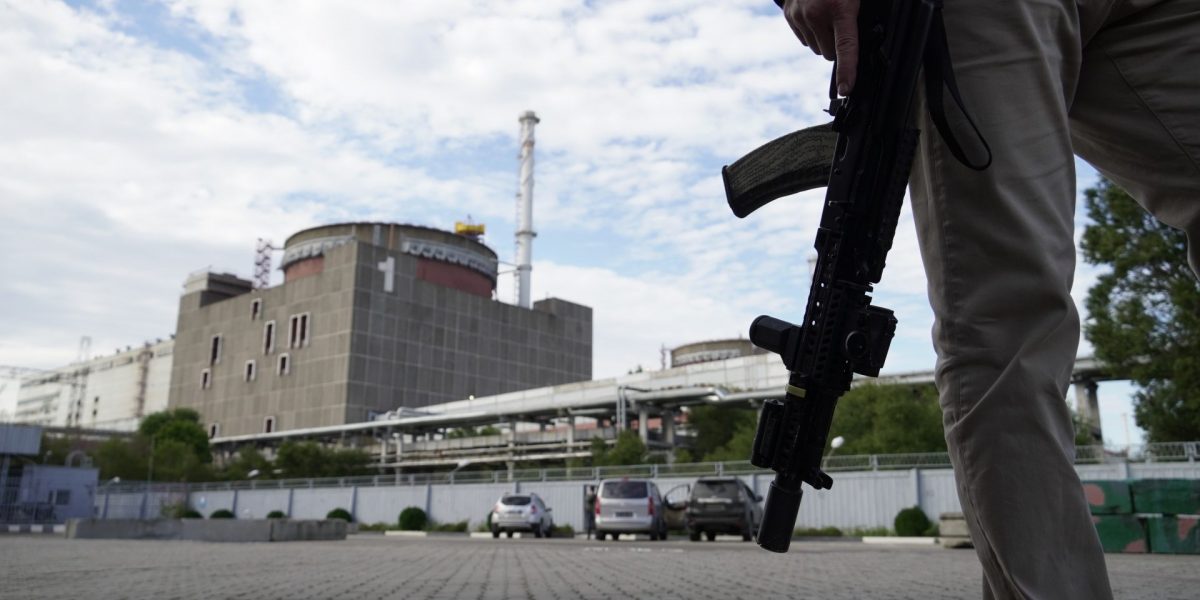
In 2022, Russia’s invasion of Ukraine resulted in the first military occupation of an operational nuclear power plant, exposing gaps in existing norms and setting a dangerous precedent that lowers the threshold for nuclear safety violations. Africa has a proud track record of leadership in non-proliferation, nuclear safety and the peaceful use of nuclear energy as established by the African Nuclear-Weapon-Free Zone Treaty (Pelindaba Treaty). Article 11 of this Treaty prohibits armed attacks on nuclear installations. This report analyses the occupation of, and attacks on the Zaporizhzhia Nuclear Power Plant1This document uses the spelling of the Ukrainian city and region “Запоріжжя” as Zaporizhzhia, in accordance with Ukraine’s official transliteration system approved by the Cabinet of Ministers of Ukraine (Resolution No. 55, 27 January 2010) and the Executive Committee of the Zaporizhzhia City Council Resolution (28 August 2017, № 476). It also uses the Zaporizhzhia Nuclear Power Plant as per the UN General Assembly Resolution from 11 July 2024. The term ‘Zaporizhzhya Nuclear Power Plant’ follows the usage of the International Atomic Energy Agency (IAEA) in its official documents. Russian authorities use the Russian-language transliteration “Zaporozhye”. The spelling is retained in quotations from the original sources. – Europe’s largest nuclear facility and one of the world’s 10 largest nuclear power plants, consisting of six reactors with a total capacity of 6 000 MW – under ongoing occupation since March 2022.
This analysis suggests that the provisions of the Pelindaba Treaty may not fully address the complex risks to nuclear safety and security posed by contemporary armed conflicts. Based on this assessment, the document identifies key areas where regulation should be strengthened to enhance nuclear safety and security across the African continent:
- developing internationally binding regulations, supported by enforcement mechanisms, to effectively prevent the military occupation of, or armed attacks on, nuclear facilities;
- expanding the International Atomic Energy Agency’s mandate to monitor and ensure nuclear safety and security;
- safeguarding nuclear-related infrastructure that may not be formally classified as nuclear installations;
- upholding and protecting labour and human rights, ensuring the physical safety and psychological well-being of nuclear personnel and operators, particularly in the case of occupation;
- strengthening corporate responsibility and accountability frameworks for nuclear operating companies to ensure compliance with safety, security, and human rights standards across jurisdictions
Governments bear the critical responsibility to strengthen existing regulations; until they do, nuclear safety and security remain at risk worldwide. This document urgently calls on all governments and other stakeholders to take immediate, concrete action to prevent further threats to nuclear safety and security across the globe.

This paper was launched during a webinar hosted on 25 March 2026. Watch the recording here: