
China, Africa, and Debt Distress: Fact and Fiction about Asset Seizures
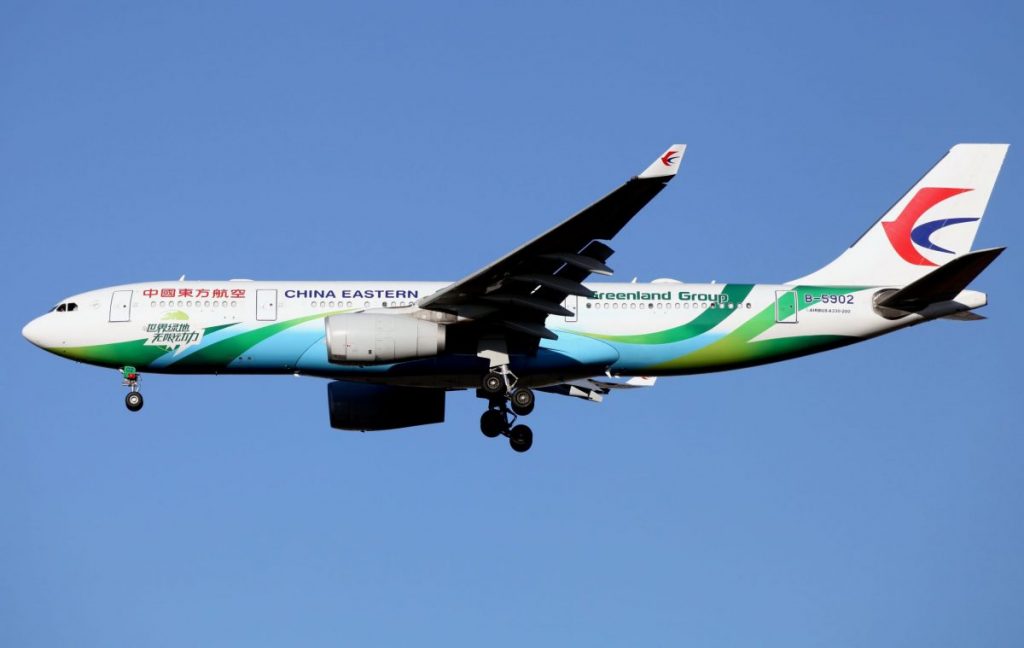
In the past two years, news headlines have periodically speculated that African borrowers are at risk of losing their sovereign assets to Chinese lenders.
Debt Relief with Chinese Characteristics
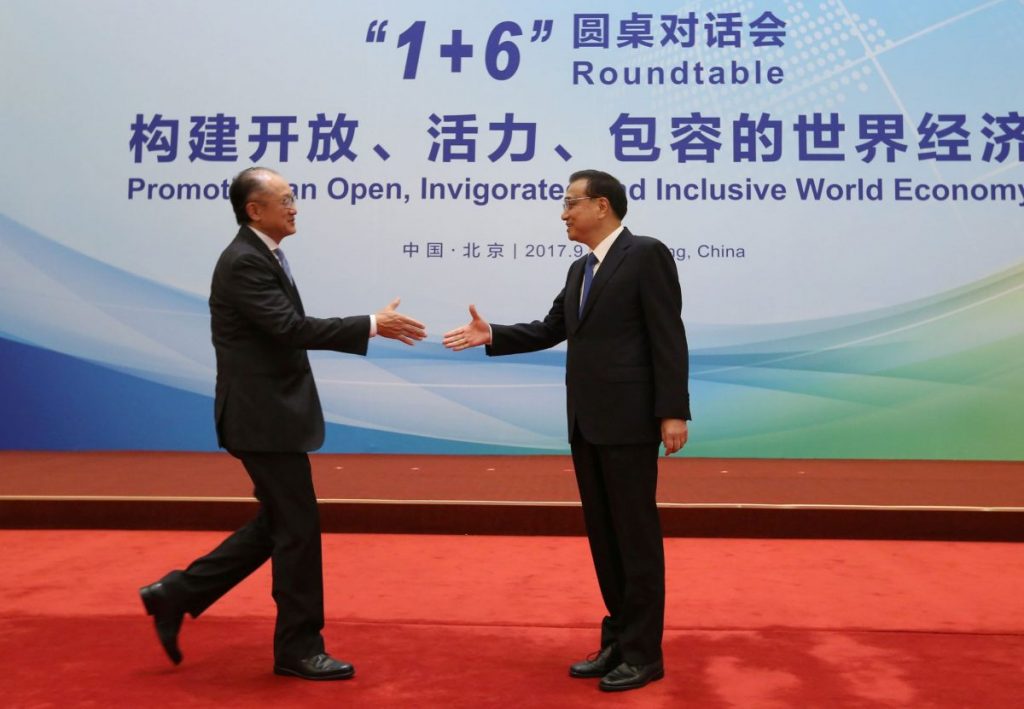
As the COVID-19 crises continues worldwide, African economies are facing unprecedented challenges. According to the IMF, almost 20 African countries are in debt distress or at high risk of debt distress.
China and Africa in Global Space Science, Technology, and Satellite Development
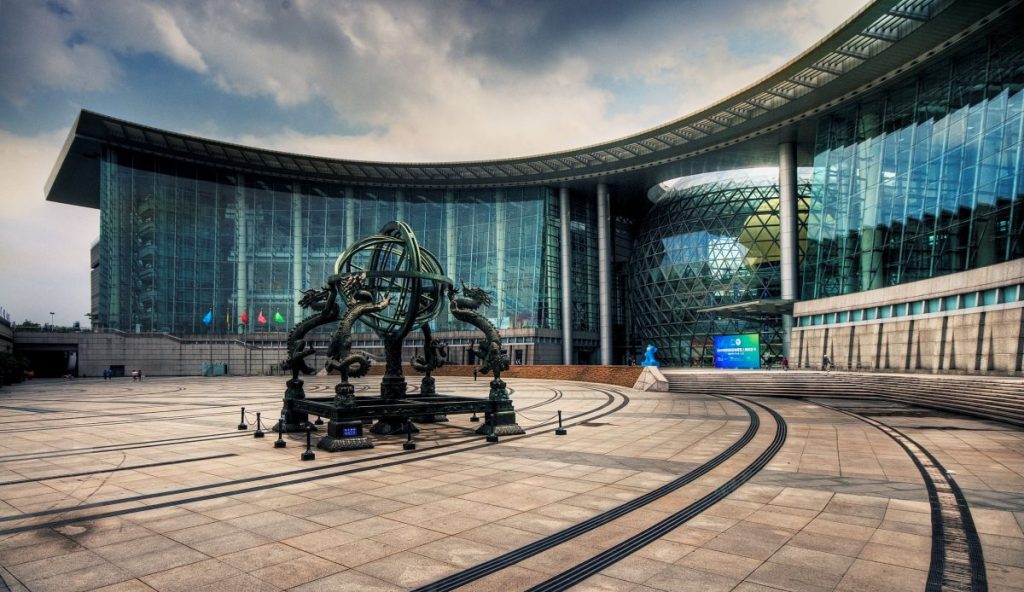
Space programs in Africa vary in their history and composition, but they are all internationally embedded: when African space programs request bids for satellite contracts, Chinese firms compete alongside international firms to offer the most competitive package.
Celebrating the year 2019: our most popular research

Dear friends and colleagues,
Marine and coastal EbA for enhanced resilience in Southern Africa country review: South Africa

Ecosystem-based Adaptation (EbA), the natural solution to climate change, has proven to provide multiple benefits for coastal ecosystems and populations. However, to maximise the exploitation of these benefits and address a number of climate change, biodiversity and socio-economic issues, it needs to be integrated with other approaches to address the complexities of natural and human systems.
Introducing e-vehicles to Southern Africa: A systemic innovation approach to a green new deal

Electric Vehicles (EVs) are not typically seen as catalysts that may enable the large-scale transformation of national and regional economic and development trajectories.
SAIIA Futures: anticipating & preparing for major disruptors facing Southern Africa

South Africa has had a long tradition of undertaking scenario exercises at critical times in its history – from the Mont Fleur to the Dinokeng scenarios and now most recently the Idlulamithi scenarios in 2018. These have captured some of the key challenges that the country faces politically and economically.
Marine and coastal EbA for enhanced resilience in Southern Africa country review: Mozambique

Mozambique is located in south-east Africa on the Indian Ocean, bordered by Tanzania, Malawi, Zambia, Zimbabwe, South Africa and Swaziland.
Stepping up e-commerce would boost SA Inc

A market of 1.3-billion people could be tapped into if postal and internet services were made efficient and accessible.
Harnessing the 4IR in SADC: Roles for policymakers

First popularised by the World Economic Forum in 2015, the Fourth Industrial Revolution (4IR) or ‘Industry 4.0’ has become a catch-all term to describe imminent changes to global business, labour and education models stemming from the advent of ‘cyber-physical systems’.